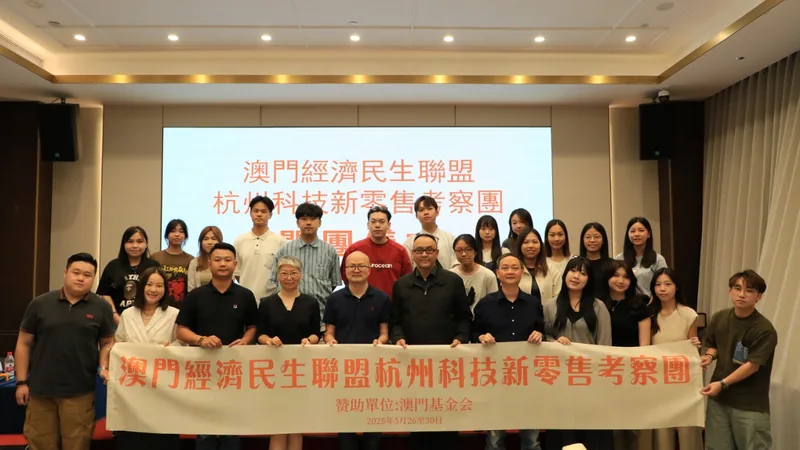
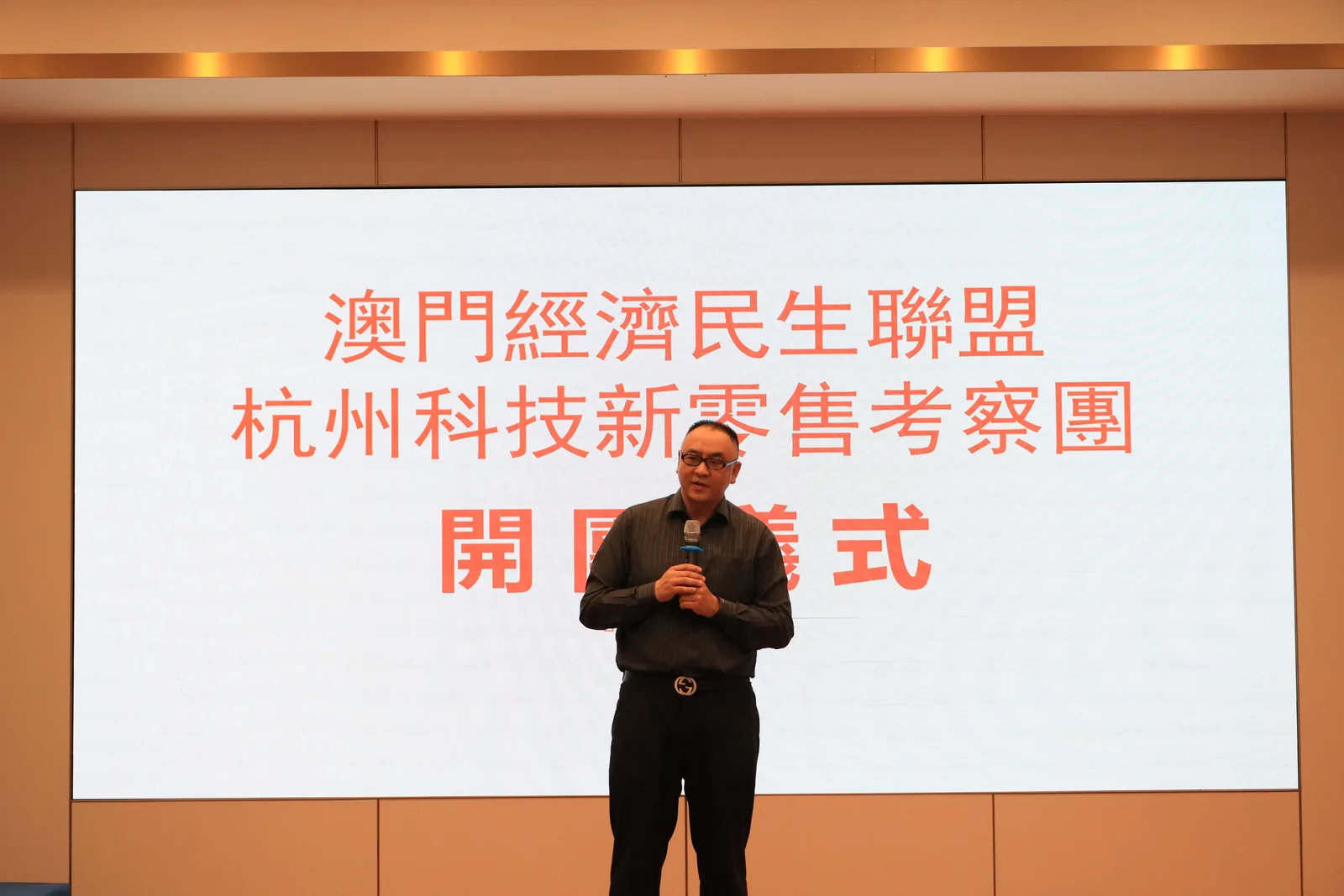
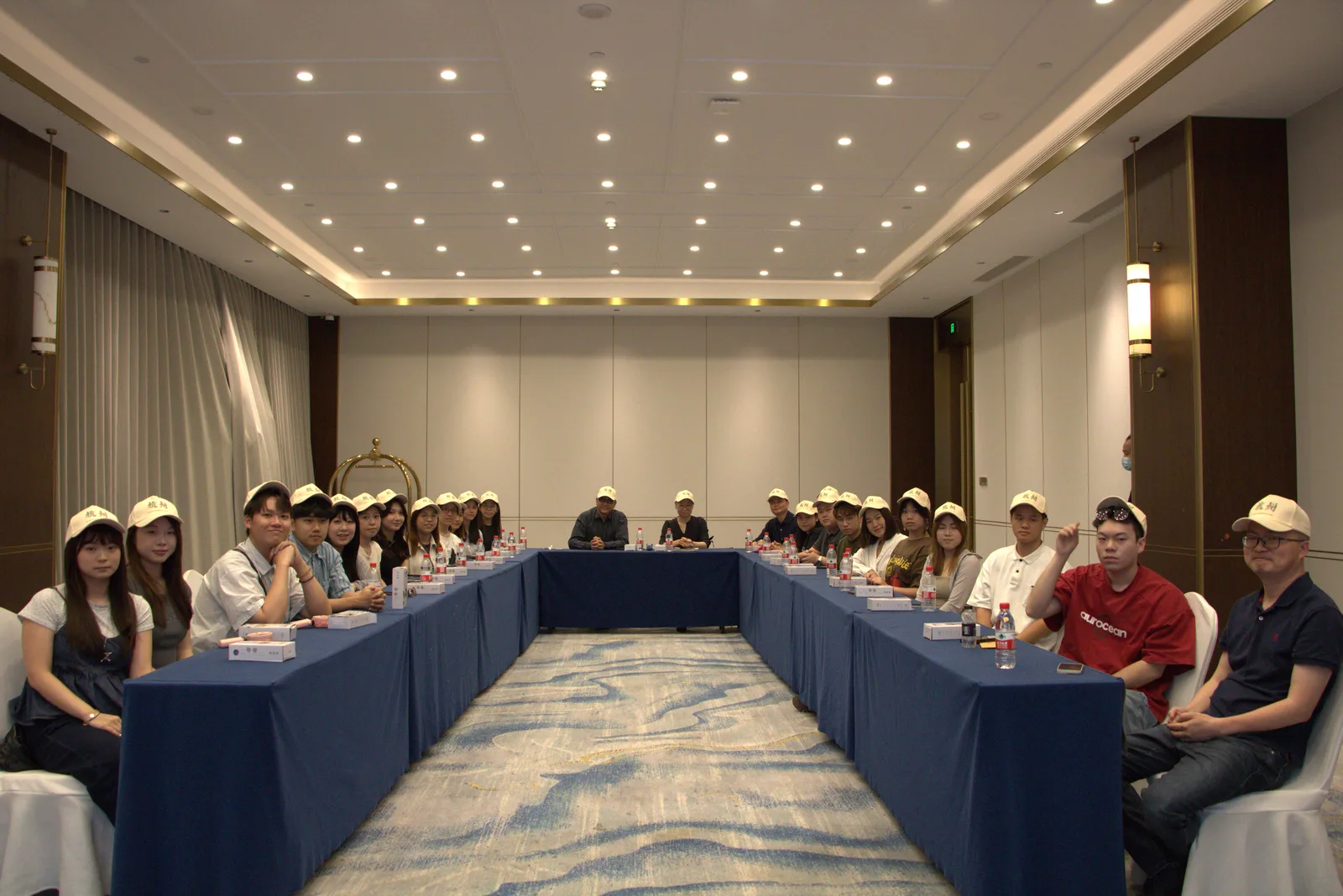
We landed in Hangzhou on a grey Monday with one mission: study how a city three times smaller than Macao became the operating system for a generation of Chinese brands. The opening ceremony set the tone — a thirty-strong delegation from the Macau Economic and Livelihood Alliance, hosted alongside partner associations and academic bodies, with the tour formally endorsed by the Macau Foundation as a knowledge-exchange programme.
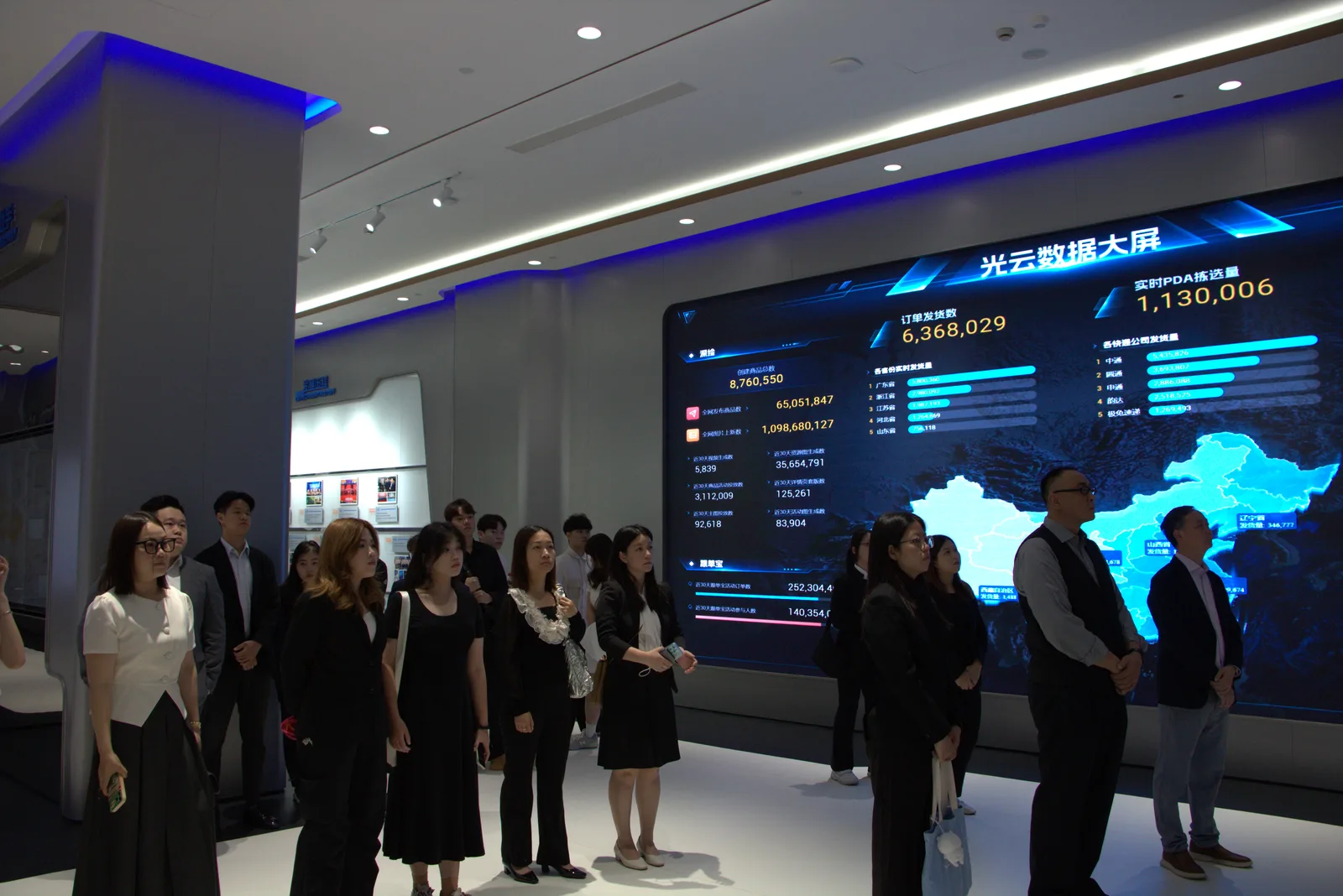
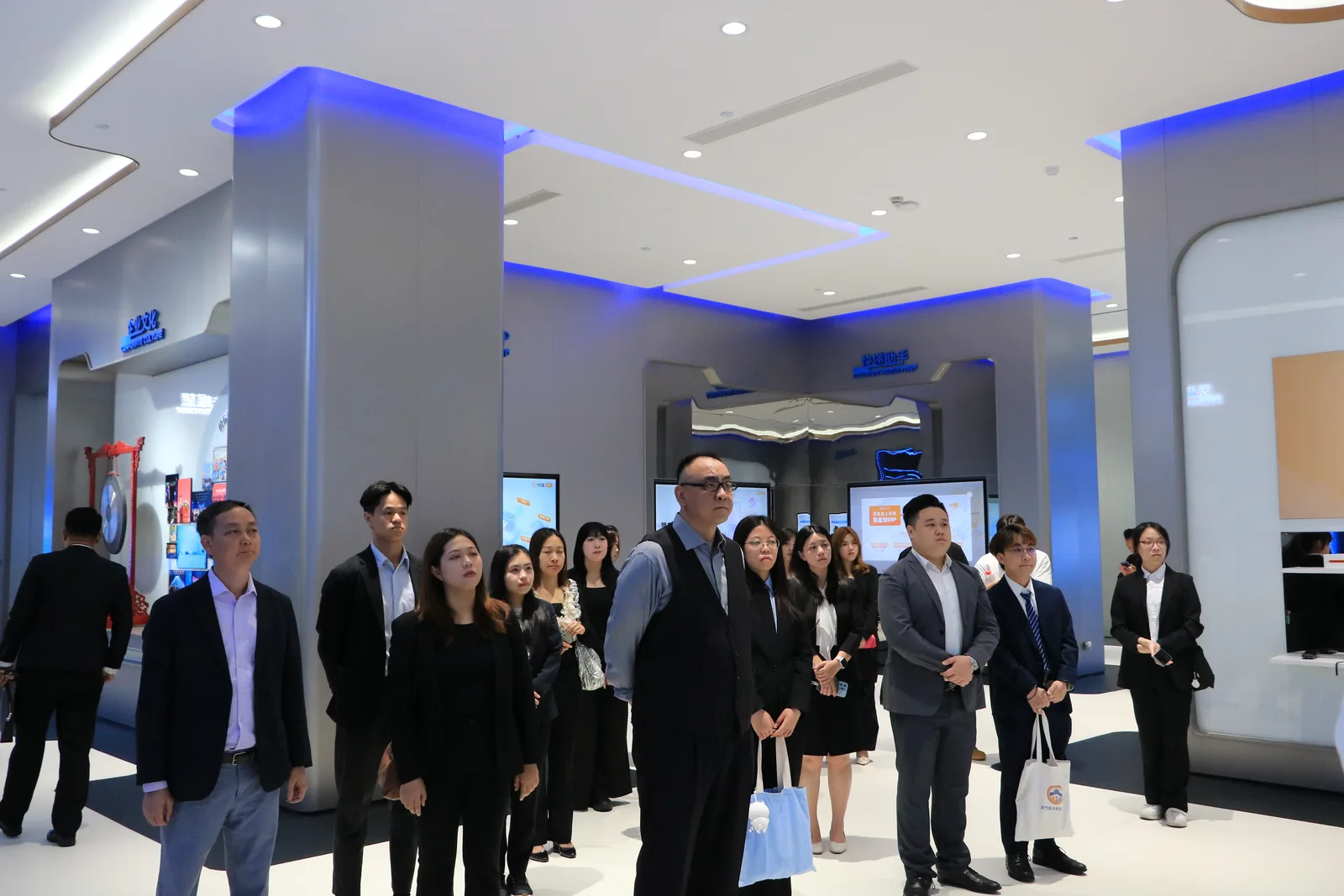
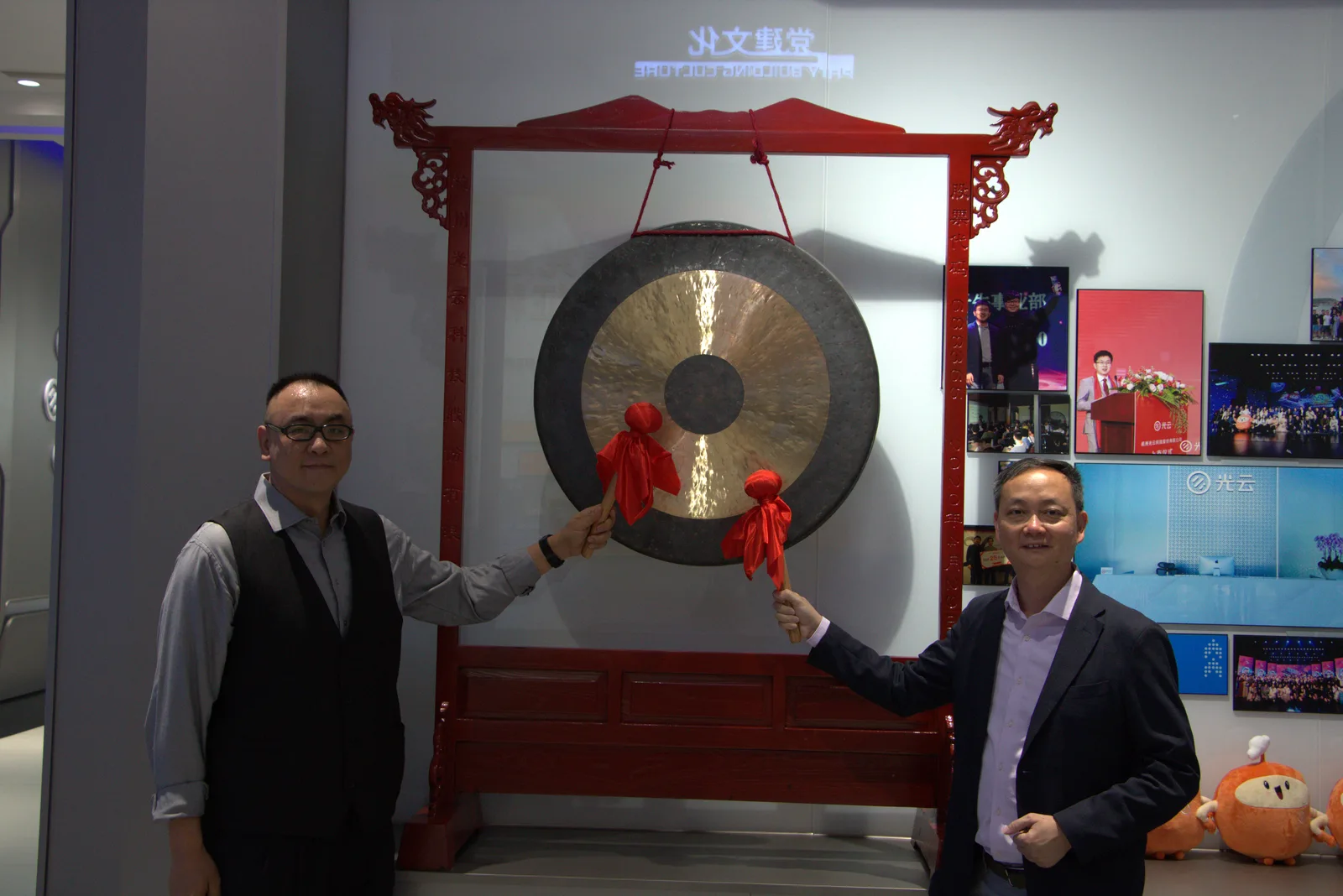
The opening remarks were short and the agenda was long. Secretary-General Johnny Lei reminded the room that cross-strait economic integration is no longer about capital — it's about platforms, retail formats and the talent that knows how to operate them across borders. The first stop made the case: a SaaS company that built the e-commerce operating stack for thousands of small apparel and beauty brands in Hangzhou, with a market cap past USD 2 billion.
What stood out was not the product. It was the discipline. Engineering teams work in short cycles tied to merchant feedback; growth and product share one dashboard; the IPO was a side-effect of solving the same problem for ten thousand merchants. That is the model Macau needs to study — not the listing, the practice.
By dinner the delegation had logged seven briefings, three product demos, and a long list of people we wanted to keep talking to. The week was just getting started.
Cross-strait integration is no longer about capital. It's about platforms, retail formats and the talent that can operate them across borders.
Media coverage: Exmoo News — 經民聯走訪光雲科技 搭建澳杭數字經濟合作橋樑 (5 Jun 2025) →