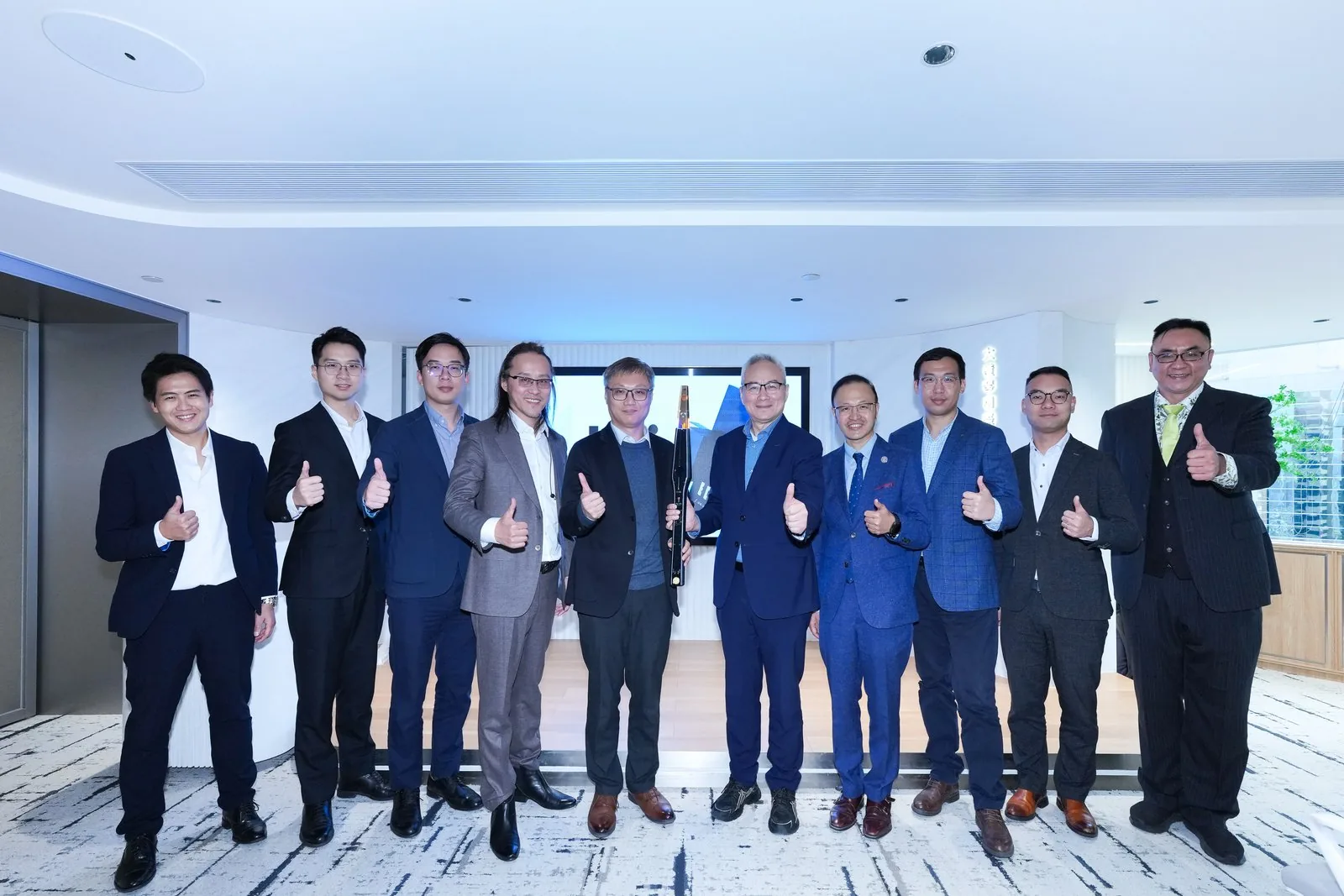
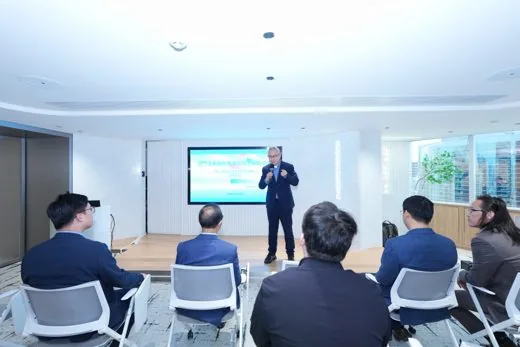
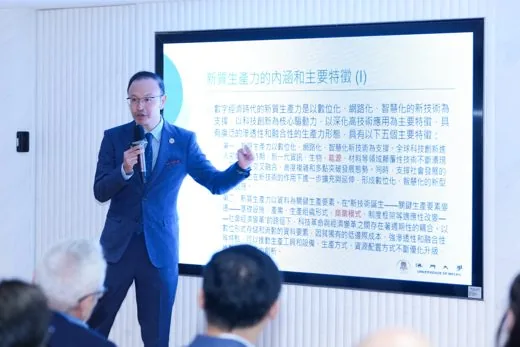
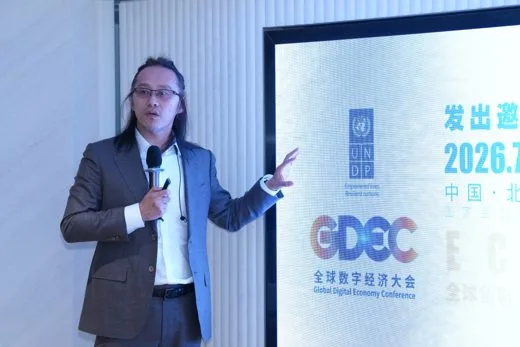
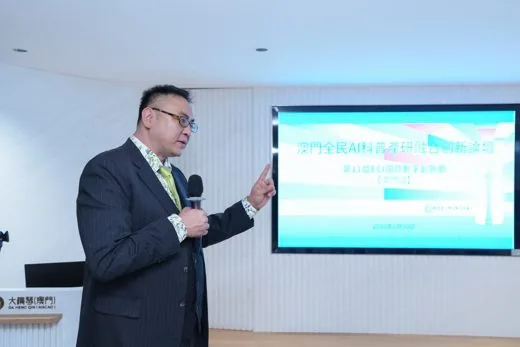
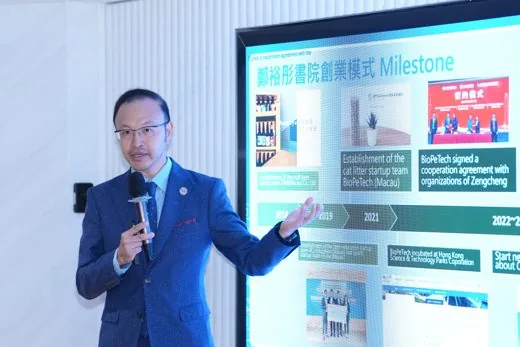
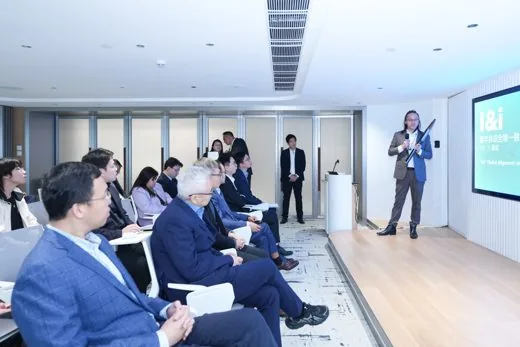
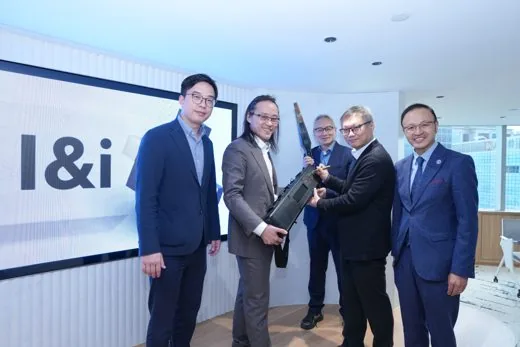
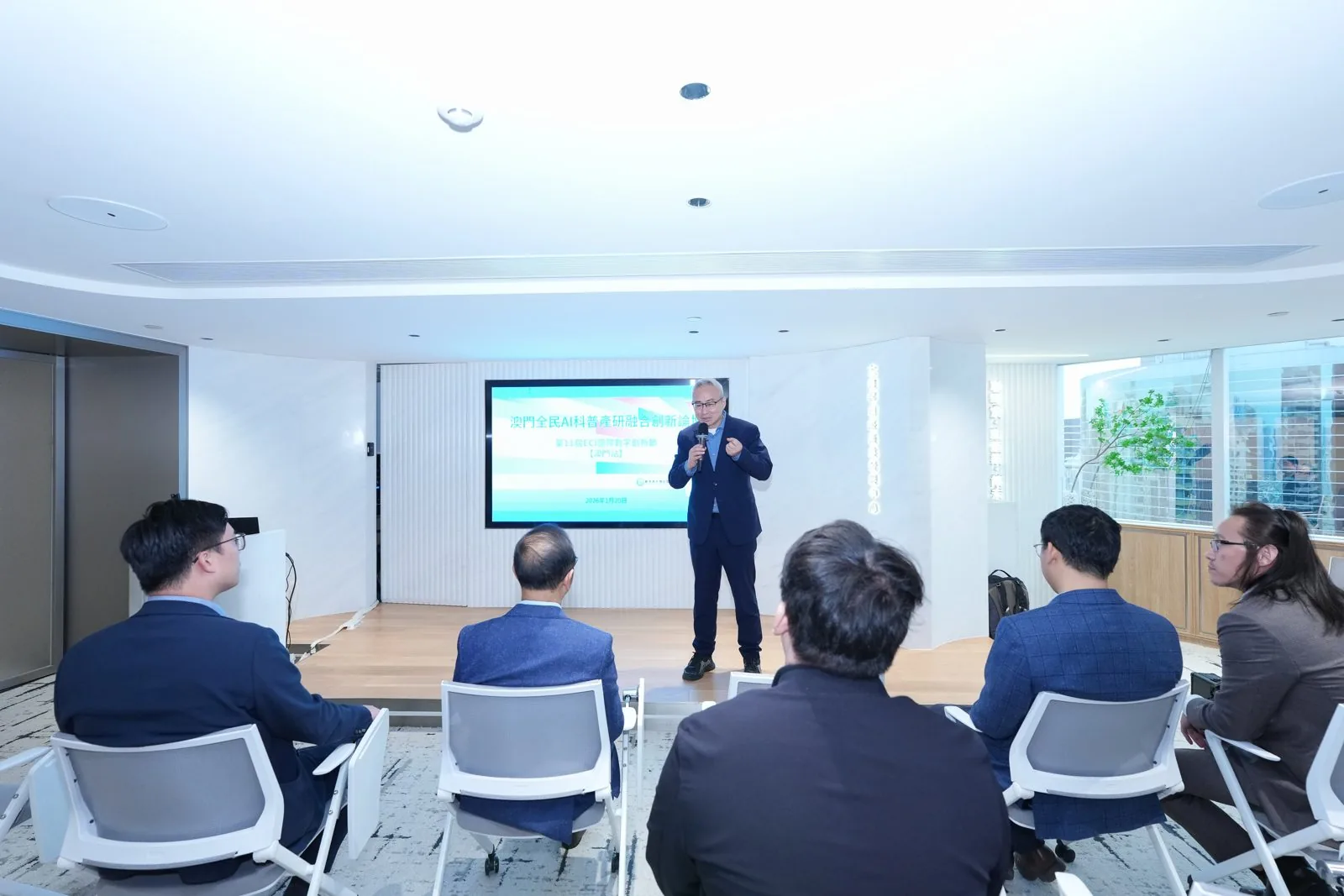
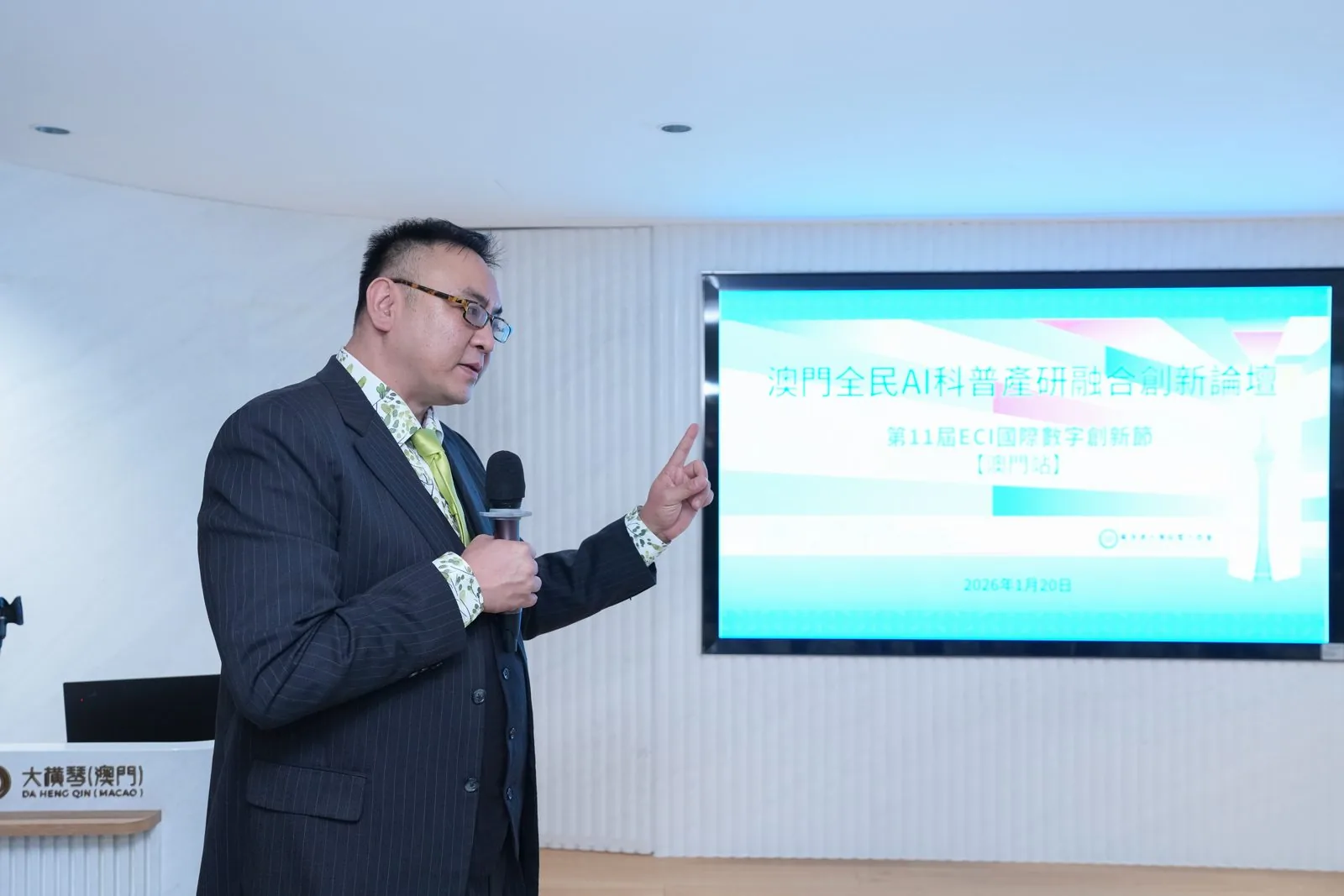
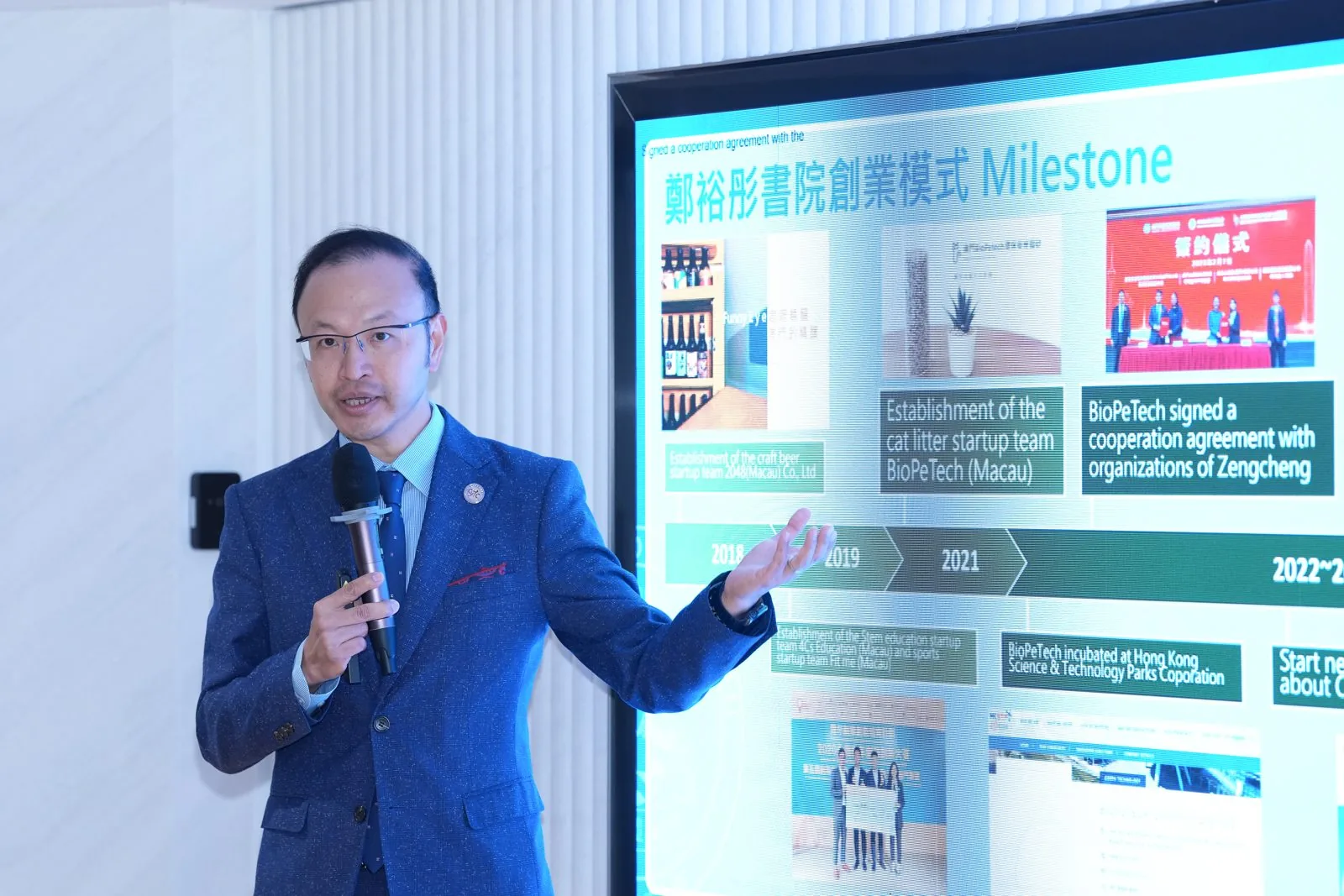
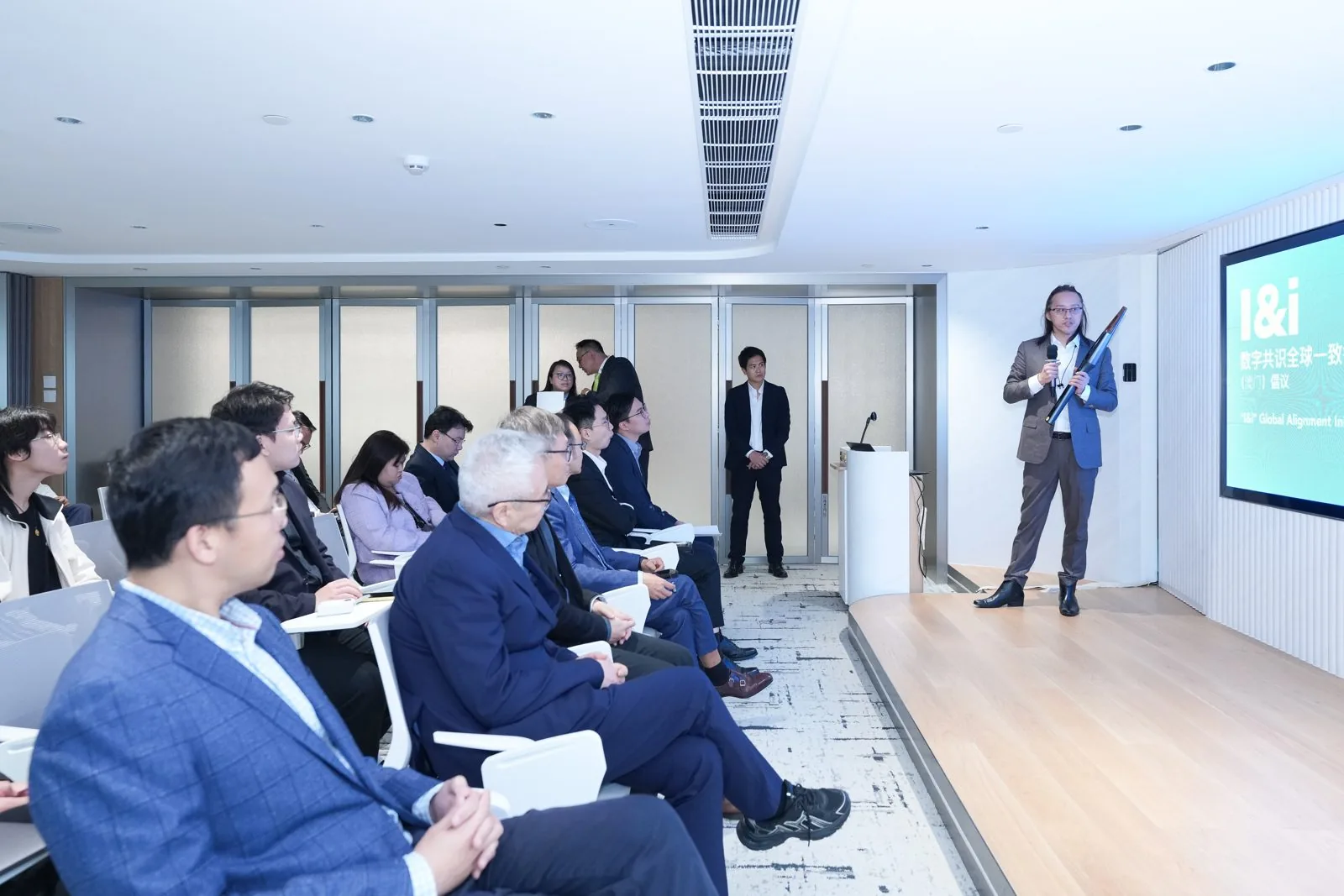
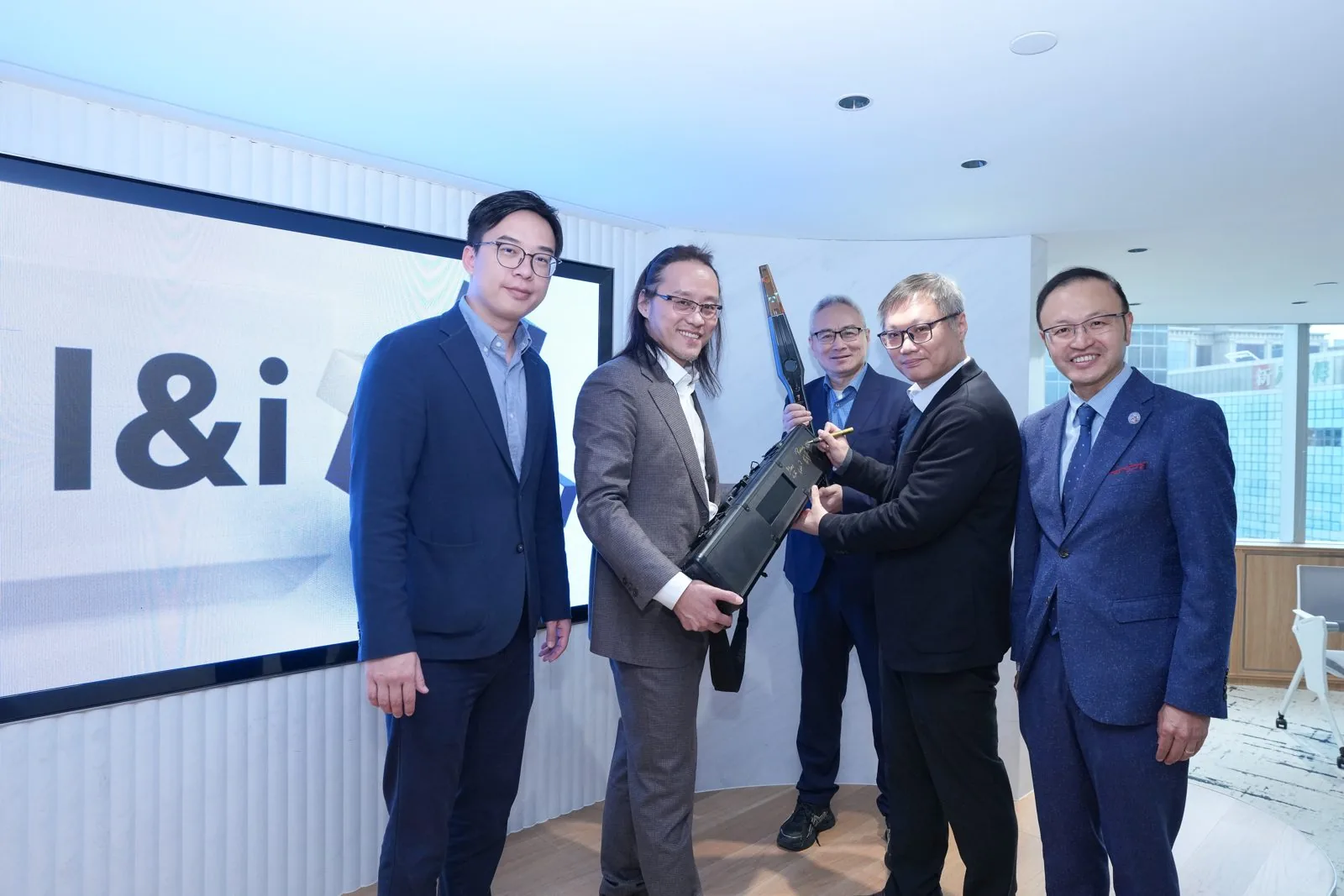
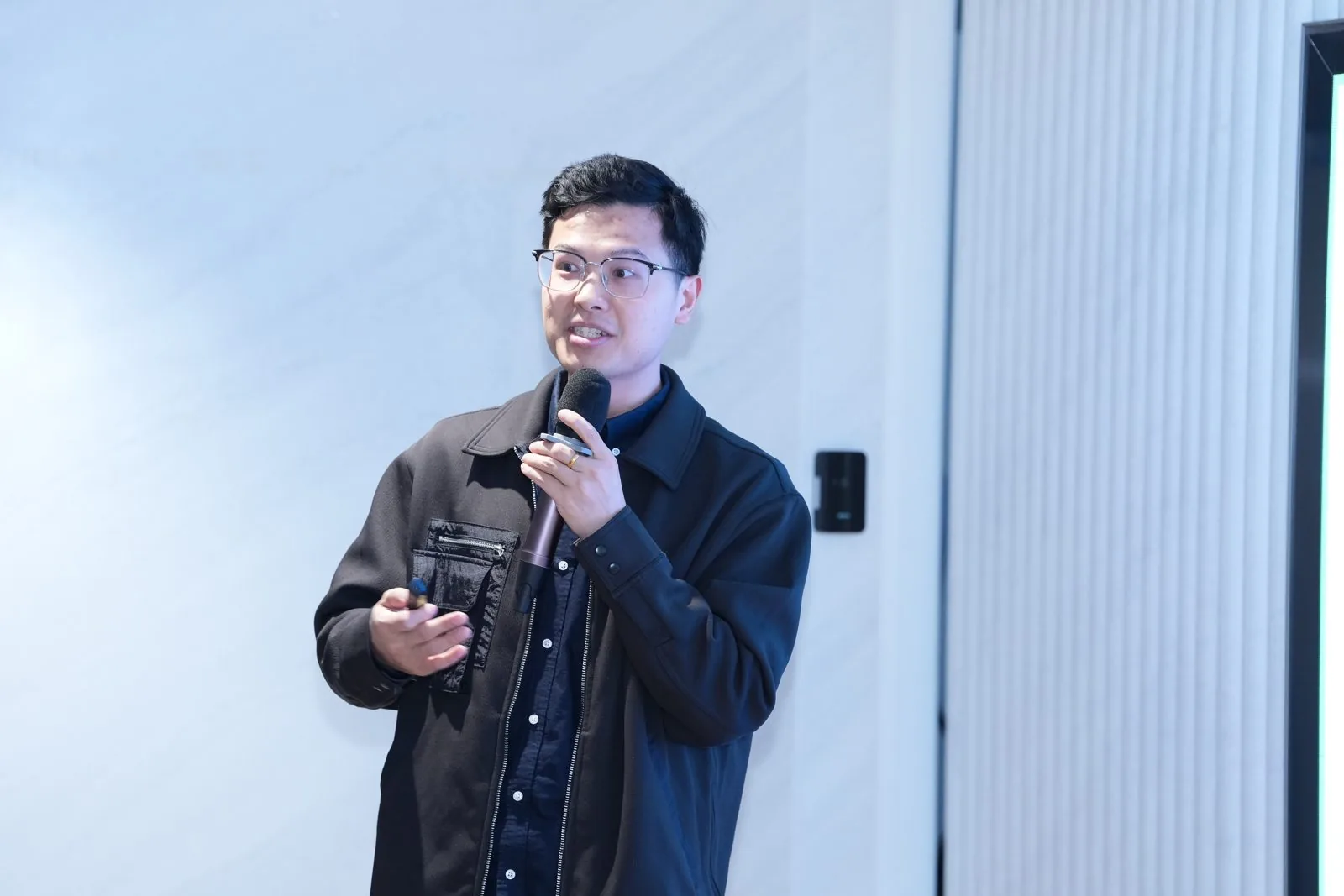
Macau has spent two decades talking about economic diversification. The new conversation is AI literacy — and it is the closest thing we have to a city-wide ignition switch for the "1+4" diversification strategy. The 11th ECI International Digital Innovation Festival closed its regional run at the Macau Youth Innovation Incubator on Jan 20, and the message from the room was plain: Macau does not need to build AI literacy from zero. The playbook already exists. We just need to wire it in.
I delivered the keynote that morning — submitted to the Macau SAR Education and Youth Development Bureau — laying out a five-way partnership model for a city-wide AI literacy ecosystem. It was not theory. It was a working blueprint, drawing on ECI's run in Shanghai, Suzhou, and Chengdu, and adapted hard to Macau's specific texture.
What The Data Says
Macau's AI literacy challenge is composite — partly a hardware and curriculum gap, partly a psychology gap. The headline number is sobering: 55% of seniors in Macau cannot get online or lack basic digital skills. Young people are curious about AI but lack structured pathways into it. Local textbooks are thin, and the technology moves faster than the printing press — courses look outdated before they ship.
Underneath the curriculum problem sits a deeper one — fear. Deepfakes, privacy leaks, misinformation. Citizens worry AI will replace their jobs. That anxiety is the invisible barrier. Any plan that ignores the psychology will stall at the textbook.
Five-Way Partnership
No single institution can move this. The model that came out of the forum is a five-way partnership that pulls industry, government, academia, research, and community into one operating mechanism:
DSEDJ (Education and Youth Development Bureau) provides policy anchoring, course accreditation, and funding flows. ECI (IECIA) brings international standards, a global case library, and a network of 3,000+ leading experts — including global chairman Jia Lijun and a video address from global chair Su Xiong. The GBA E-Commerce Association does the on-the-ground work: course design, resource bridging, industry alignment, and standard-setting. Local associations — the homeland federations, Workers' Federation, Women's Federation, the youth associations of Jiangmen and Heshan — provide venues, trust, and last-mile reach. Macau residents are not the recipients. They are the engine.
Four Roles, One Operator
The GBA E-Commerce Association takes on four explicit roles in the model:
Curriculum designer. Three streams — K–12, seniors, and working professionals — built on ECI's global resource base but tuned for Macau's age and sector mix.
Technology bridge. Translate cutting-edge work from GBA champions (Huawei, Tencent, and others) into accessible content Macau residents can use on Monday morning.
Localizer. Weave global digital-economy case studies into Macau's "1+4" industries — cultural tourism, smart retail, big health, and finance — so the lessons feel native and find their way into actual jobs.
Standard-setter. Co-issue an ECI + DSEDJ dual certification that holds water internationally and maps to Macau's domestic demand at the same time.
The MOP 6,000 Play
This is where the model gets unusual. The Macau SAR already runs a MOP 6,000 lifelong-learning subsidy per resident every three years. Most residents never touch it. We propose converting that grant into AI-literacy activation through a "teach-the-taught" sequence:
Local associations — Jiangmen Youth Association, Chinese Youth Progress Association, Workers' Federation chapters — recommend digitally-literate adults as "AI literacy seeds." Those seeds spend their MOP 6,000 grant on an ECI-certified training program. They graduate, receive the Certified AI Literacy Mentor credential, and return to teach their own community — seniors on one side, youth on the other, SME owners on the third.
The same grant. The same civil-society network. The same subsidizing structure. Just routed through education. The output is a Macau-grown, Macau-trusted volunteer AI-literacy force. That is how the "last kilometer" actually closes.
What Has Already Worked
ECI has run the playbook elsewhere. The cases are not theoretical:
Shanghai ECI Young. A training-plus-real-world-plus-employment loop that turns enterprise briefs into classroom projects. Over 10,000 students across Shanghai universities; multiple projects won angel funding and were admitted into the municipal innovation pipeline.
Suzhou Youth AI Enlightenment. A grid-based, community-led rollout using standardized curriculum and certified teachers. Over 50,000 youths reached across hundreds of communities — proof that standardization plus gridding is how you scale AI literacy.
Chengdu Vocational Digital Certification. ECI + Huawei + the Human Resources Bureau built an AI-plus-industry certification pipeline that moved 10,000+ people into jobs, lifted salaries by 25% and the placement rate by 40%. That is the labor-market version of the same play.
Three Phases, One Trajectory
The roadmap runs three horizons, matched to urgency and capacity:
Near-term (Year 1). Launch the Certified Mentor program. Publish the first tranche of localized AI-literacy textbooks. Stand up the initial teaching network across associations. Roll out the first community AI experience days.
Mid-term (Years 2–3). Build the AI science resource-sharing platform. Cover every community teaching site across Macau. Lock in the ECI + DSEDJ dual certification. Host the Macau-wide Youth AI Innovation Competition.
Long-term (Year 3+). Build a Macau-flavor AI talent pool. Deliver the digital transformation of the "1+4" industries. Establish Macau as the GBA benchmark for AI literacy. Move the entire population's AI fluency from nominal to operationally useful.
The forum also surfaced two weighty announcements that compound this trajectory: the "i-Twin Macau" platform — a digital twin of Macau for AI practice — and the "I-Light Tower" initiative to position Macau as a global AI-innovation landmark. Both belong to ECI's broader mandate; both touch down hardest where literacy is widest.
Coverage: Taichung Daily → · Haixia Toutiao → · Macao Daily → · TMT Post → · China Business →