Every operator knows the feeling. You see a land-grab before the crowd does, and the only question is whether you move. For Chinese enterprises trying to go global, the land-grab is happening right now — and the port they should sail out of is Macau.
People sleep on Macau. They see casinos and nothing else. I see a free port with two computing centers, a bridge to the Greater Bay Area, and a cultural fluency with the West that the mainland can't fake. That is leverage. That is the kind of underpriced attention I have spent my whole career hunting for.
The Dual-Computing Play
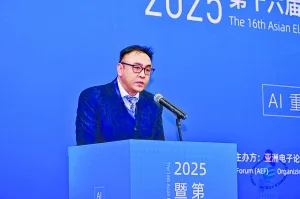
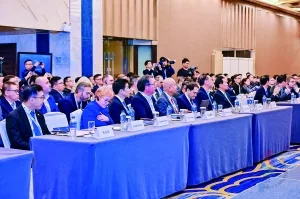
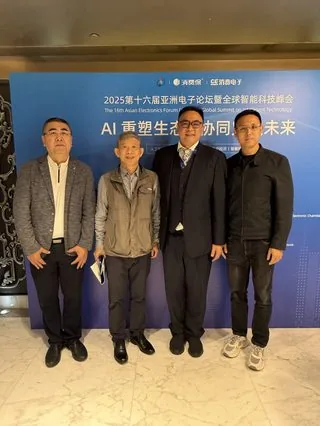
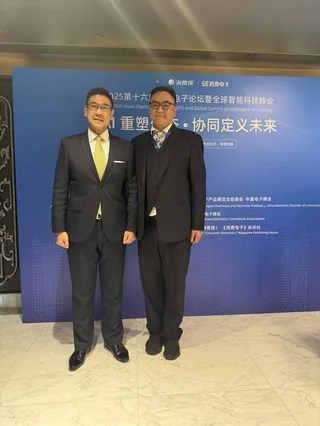
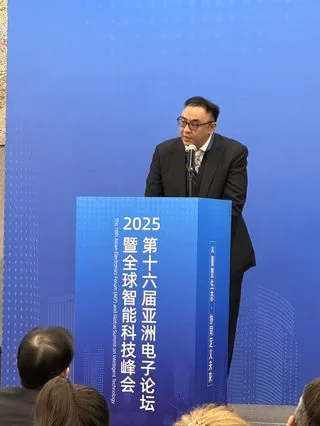
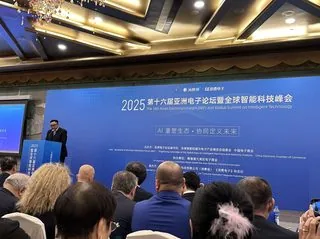
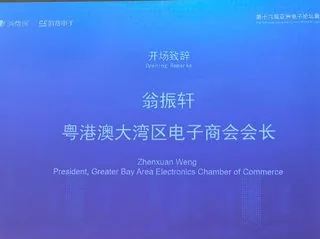
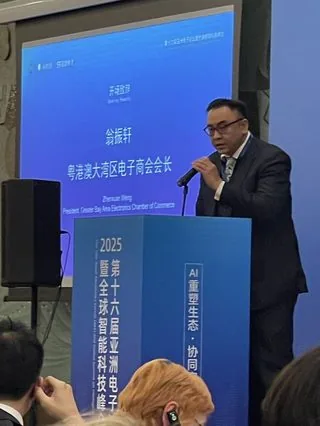
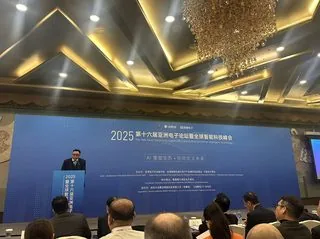
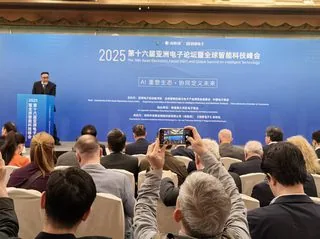
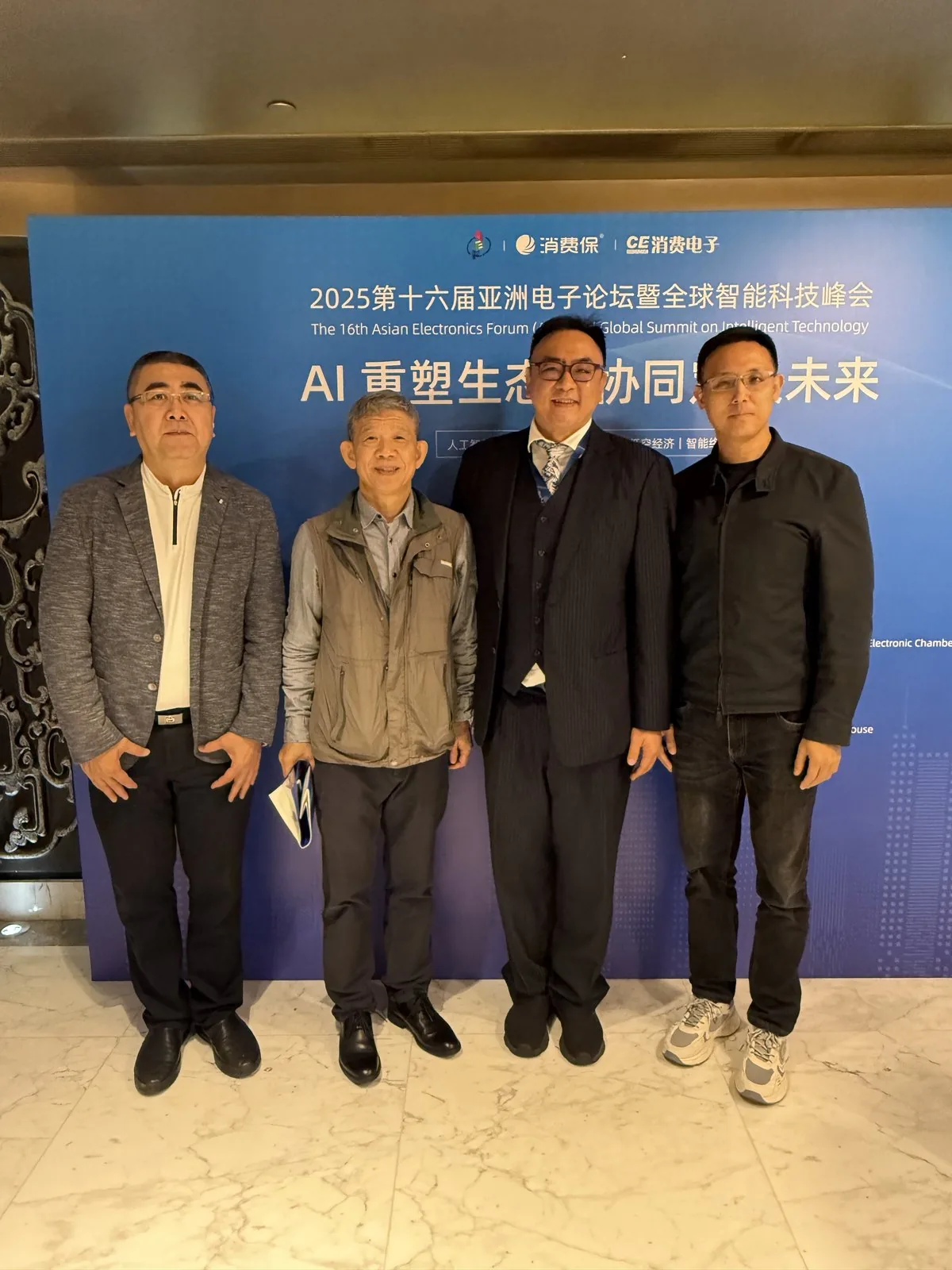
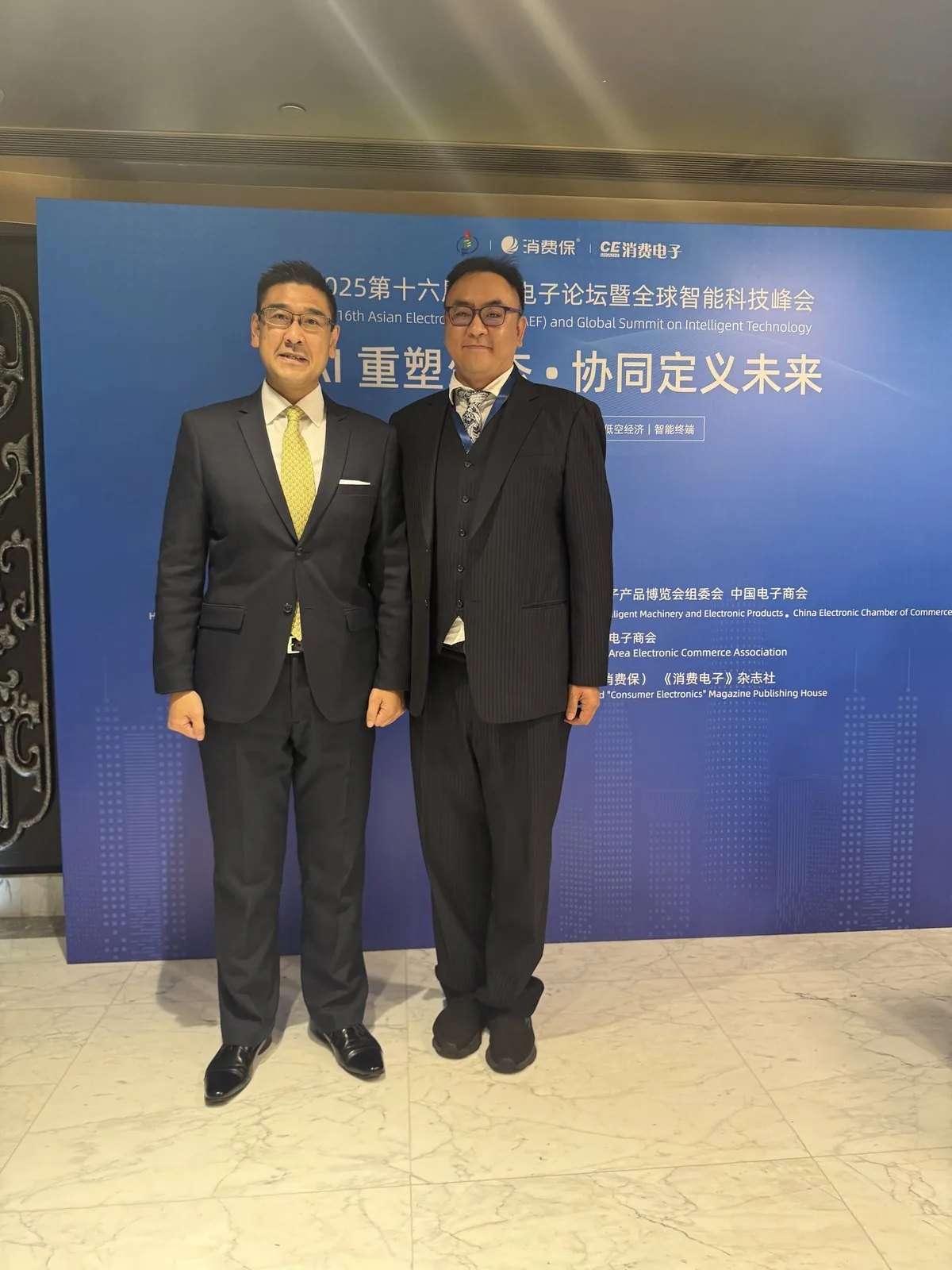
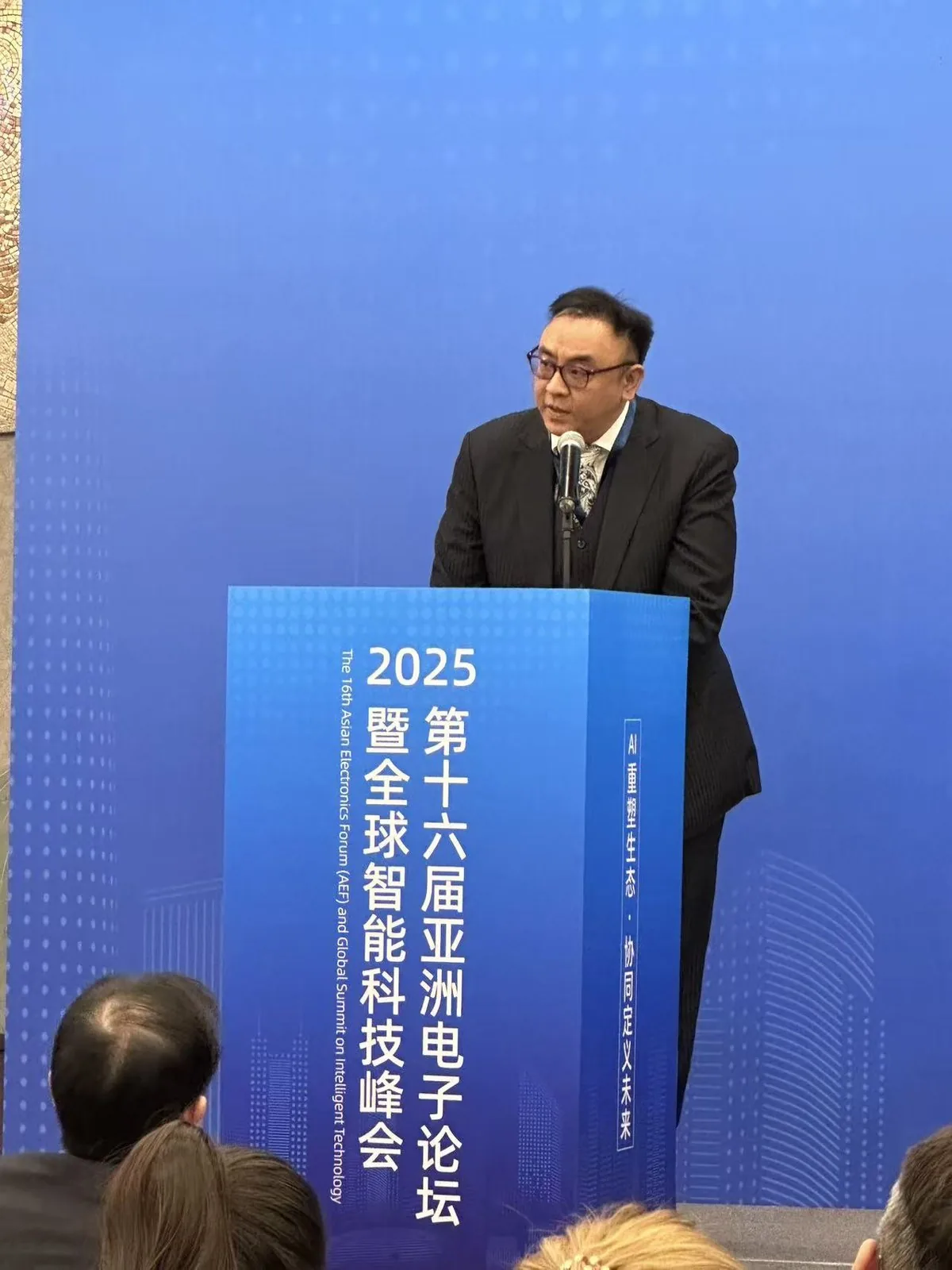
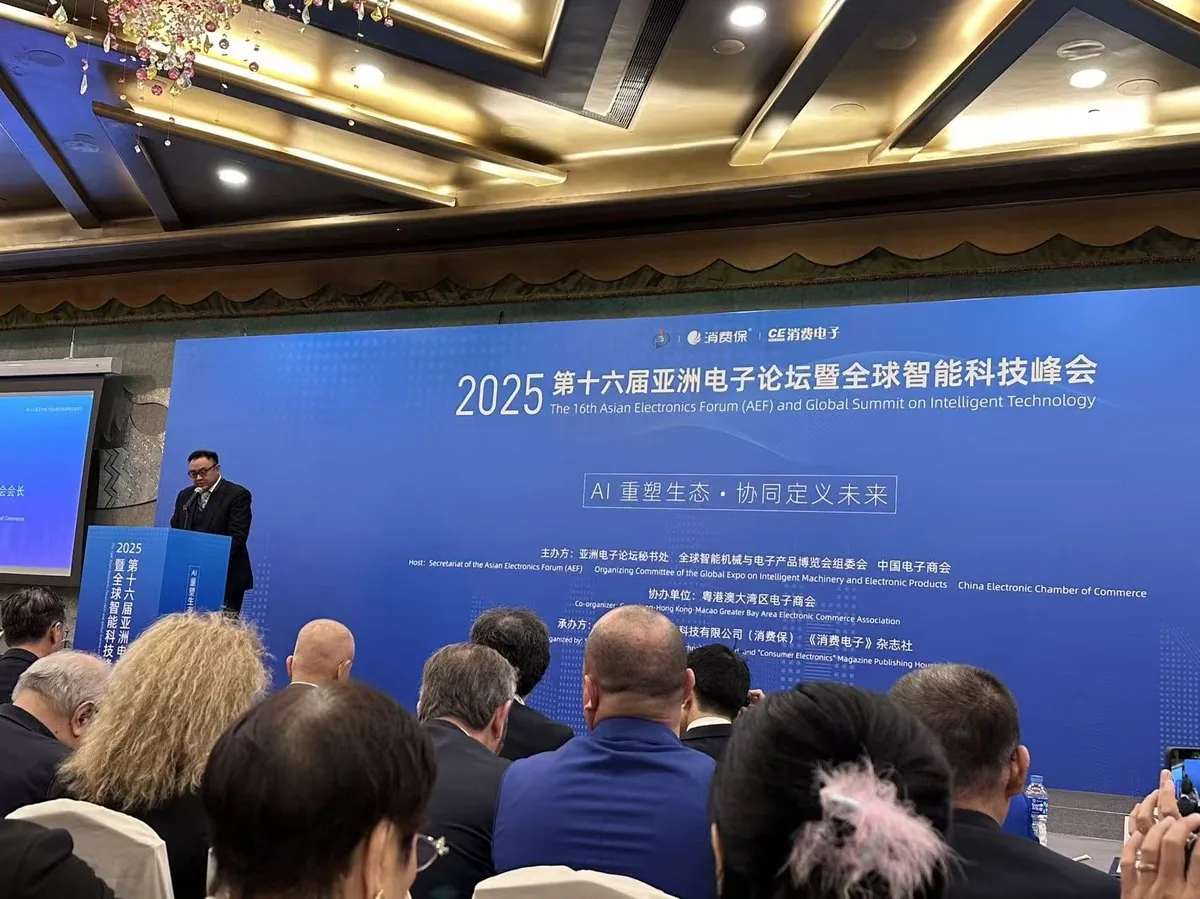
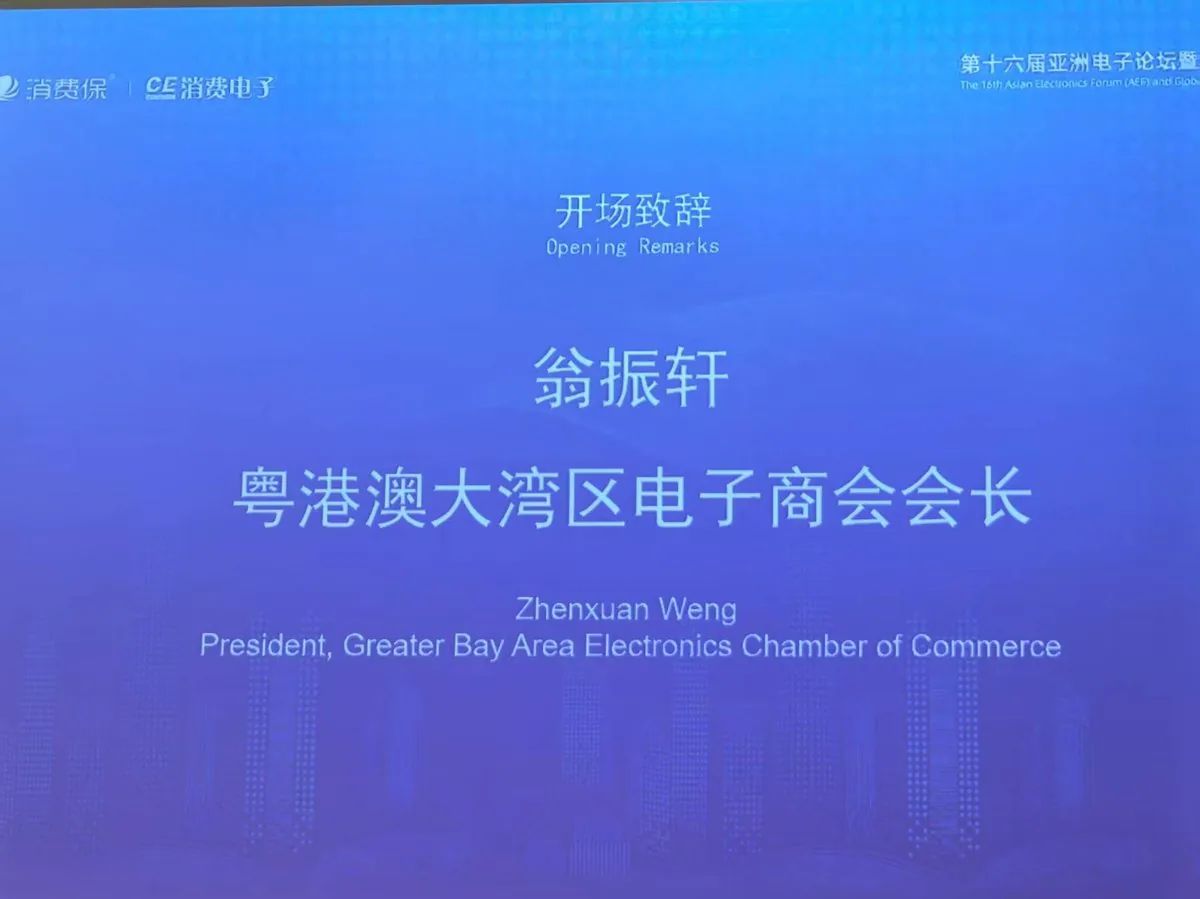
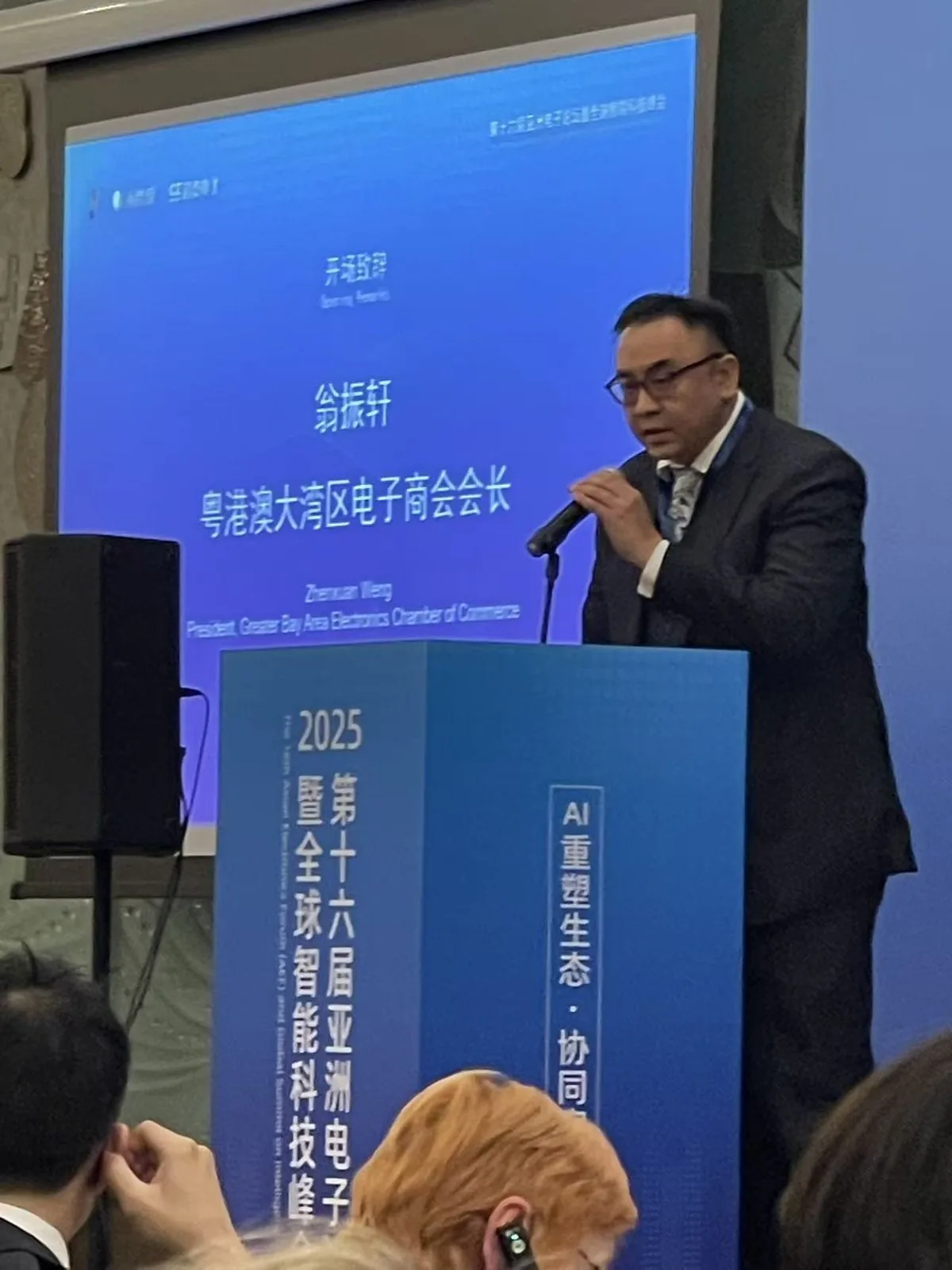
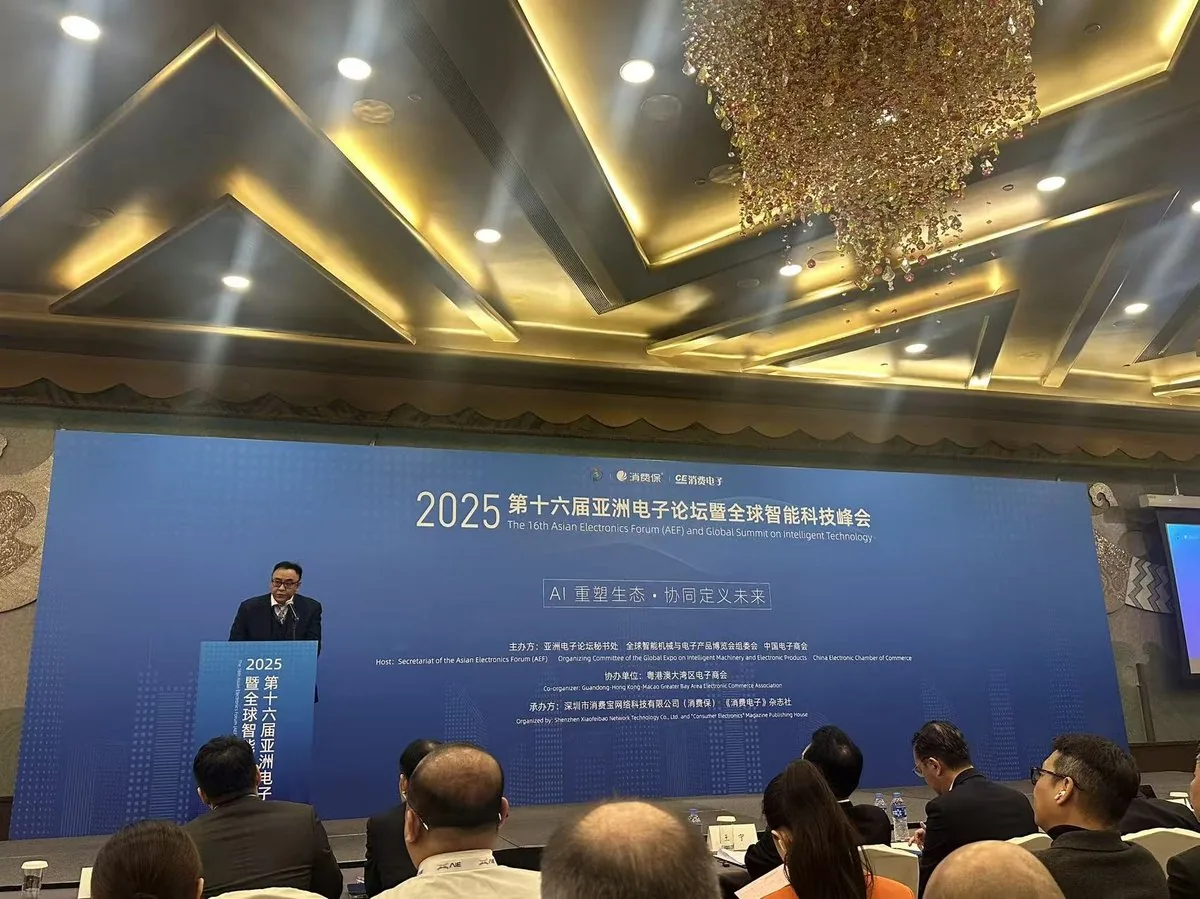
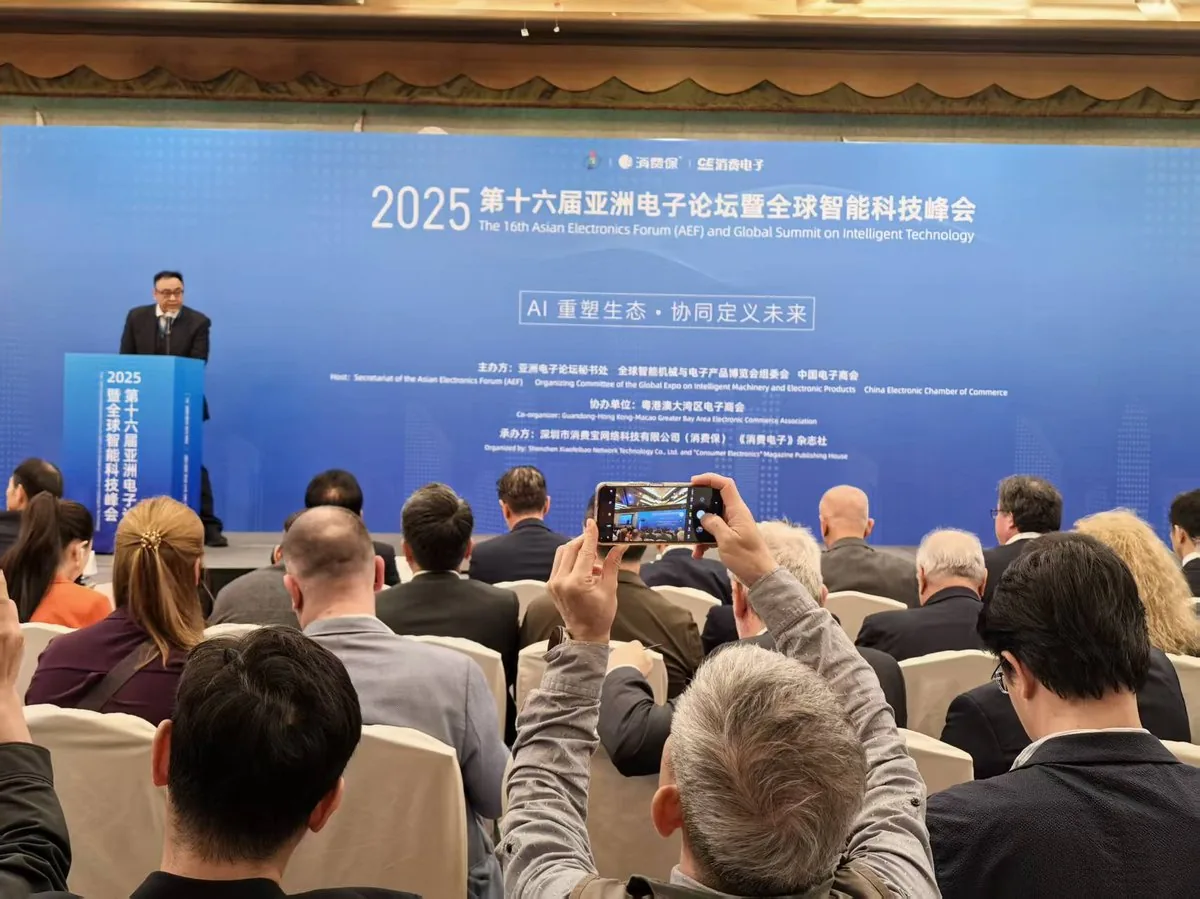
With twin computing centers in Macau and Taiwan, we open a compliant, efficient AI pathway for Chinese enterprises to reach the world. Not a workaround. A real, defensible architecture. I introduced the Longyou dual-computing model at the 16th Asian Electronics Forum, and the room got it immediately — Wang Ning, President of the China Electronic Chamber of Commerce, included.
Here is the part most people miss: going global is not a marketing campaign. It is infrastructure. You need the compliance, you need the compute, you need the associations that shake hands on both sides of the strait. I chair the GBA E-Commerce Association and I run the Longyou AI going-global platform because that is the only way this actually ships.
Culture Is The Product
The West does not just want Chinese goods. It wants Chinese culture — and it has no idea how to reach it. That is why I built the Macao Silk Culture & Art Center and the Macao Culture IP Copyright Center. We take heritage, protect it, and turn it into living, commercial IP. Heritage that sits in a vault creates no legacy. Heritage that travels does.
So here is my thesis, and I will say it the way I say everything: wealth grows from the right way, and profit comes through what is just. Macau is the free port. The question is not whether — it is who moves first.
Source: Macau Daily — 16th Asian Electronics Forum coverage (Dec 7, 2025)